Unlocking Creative Potential: A Guide to High-Quality Easter PNGs for Personal and Commercial Use
The digital landscape of creative design has evolved rapidly, transforming how individuals and businesses approach seasonal projects. Among the most sought-after assets during the spring season are high-resolution graphic files, specifically those centered around Easter themes. Whether you are a hobbyist looking to create unique family gifts or an entrepreneur running a Print-on-Demand (POD) business, understanding the value of premium digital assets is crucial. This article explores the significance of using high-quality Coquette Happy Easter PNG files, detailing their technical specifications, practical applications, and the legal framework that allows for both personal and commercial utilization.
Understanding the Value of High-Resolution Digital Assets
In the world of digital printing and graphic design, not all image files are created equal. A common misconception among beginners is that any image found online can be scaled up indefinitely without losing quality. This is rarely the case. When working with physical products like t-shirts, mugs, or wall art, the resolution of your source file determines the clarity and professionalism of the final product. This is where specific technical standards come into play.
A premium Easter PNG is typically delivered with a transparent background, a resolution of 300 DPI (dots per inch), and substantial pixel dimensions, such as 4500×5400 pixels. Let us break down why these specifications matter:
- Transparent Background: Unlike JPEGs, which have a solid white or colored background, PNGs with transparency allow you to place the design seamlessly onto any colored fabric or surface without unsightly white boxes around the edges.
- 300 DPI: This is the industry standard for print quality. Images with lower DPI (such as 72 DPI used for web screens) will appear pixelated and blurry when printed on physical items.
- Large Dimensions: A file size of 4500×5400 pixels ensures that the image remains crisp even when printed on larger items like tote bags or poster-sized wall art.
By starting with a file that meets these rigorous standards, creators eliminate the guesswork and technical hurdles often associated with digital printing, ensuring a professional finish every time.
The Rise of the Coquette Aesthetic in Holiday Design
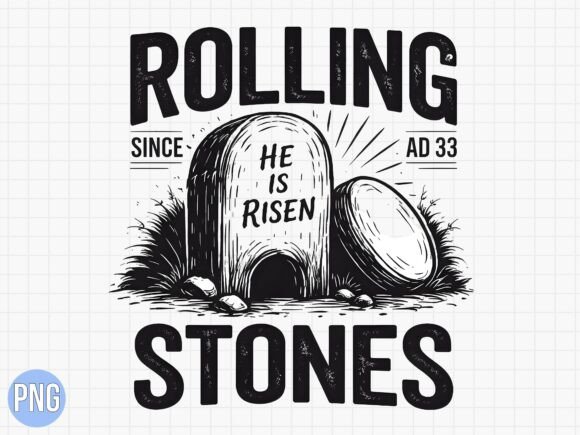
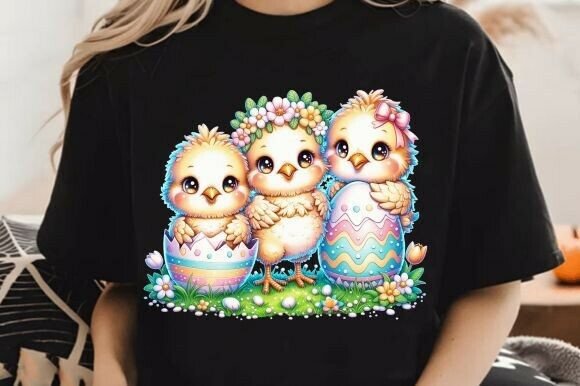
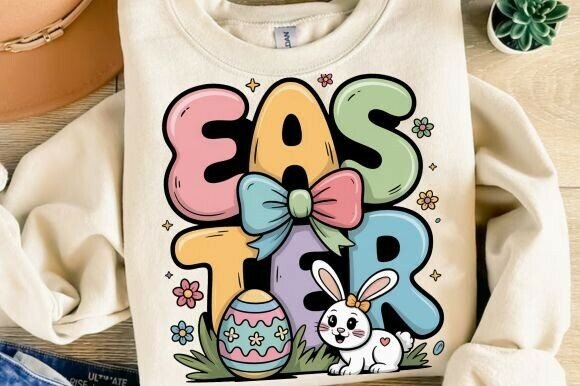
Design trends are cyclical, and currently, the coquette aesthetic is dominating social media and retail spaces. Characterized by soft pastels, delicate bows, lace details, and a feminine, vintage-inspired charm, this style has found a perfect home in holiday graphics. A Coquette Happy Easter PNG combines traditional symbols of the holiday—such as bunnies, eggs, and chicks—with these trendy, soft elements.
For designers and sellers, leveraging trending aesthetics is a powerful strategy. It allows products to feel current and relevant, appealing to a demographic that values both tradition and modern style. Whether it is a pastel pink bunny wearing a satin bow or elegant script typography surrounded by floral accents, these designs resonate deeply with consumers looking for something beyond generic clip art.
Practical Applications for Creators and Businesses
The versatility of a high-quality PNG file extends far beyond simple digital viewing. Because these files are ready-to-use and high-resolution, they serve as the foundation for a wide array of creative projects. Here is how you can integrate these assets into your workflow:
- Apparel and Fashion: The most popular use case is for t-shirts and clothing items. Using heat transfer vinyl (HTV) or direct-to-garment (DTG) printing, you can apply these designs to hoodies, baby onesies, and tank tops. The transparent background ensures the design blends naturally with the fabric color.
- Sublimation Projects: For hard goods, sublimation is a preferred method. You can print these PNGs onto special paper and transfer them onto mugs, tumblers, and tote bags. The high DPI ensures that fine details, such as the texture of a bow or the shading on an egg, remain sharp on curved surfaces.
- Paper Goods and Decor: Printable wall art, greeting cards, and party decorations benefit immensely from high-resolution files. You can scale the image to fit standard frame sizes without losing clarity, creating affordable yet elegant home decor.
- Digital Scrapbooking: For those who enjoy digital planning or scrapbooking, these elements can be layered into digital journals, invitations, or social media graphics, adding a personalized touch to digital communications.
Each of these applications leverages the core benefit of the file: it is ready-to-use. There is no need for complex vectorizing or background removal, saving hours of preparation time.
Navigating Usage Rights: Personal vs. Commercial Use
One of the most critical aspects of purchasing digital assets is understanding the license. Many free resources online come with restrictive licenses that prohibit selling products made with their images. However, premium assets often come with a Personal and Commercial Use allowance. This distinction is vital for anyone looking to monetize their creativity.
Personal Use typically covers projects made for yourself, friends, or family. If you are making a custom Easter shirt for your child or a card for your grandmother, this falls under personal use. Commercial Use, on the other hand, allows you to sell physical products featuring the design. This is a game-changer for small business owners and POD entrepreneurs.
It is important to note what "Commercial Use" usually entails in this context:
- You can sell physical items (t-shirts, mugs, prints) that feature the design.
- You cannot resell the digital file itself. The value lies in the physical product you create, not the redistribution of the asset.
- You cannot claim the artwork as your own original creation; you are licensing the right to use it.
This model supports a healthy ecosystem where artists are compensated for their work, while creators can build businesses without the overhead of hiring illustrators for every single design. It lowers the barrier to entry for aspiring entrepreneurs, allowing them to focus on marketing and customer service rather than just graphic design skills.
Best Practices for Print-on-Demand Success
If you are utilizing these files for a POD business, success relies on more than just having a good image. Context and presentation are key. When listing products, consider how the Coquette Happy Easter PNG fits into the broader narrative of the spring season. Use mockups that reflect the soft, airy vibe of the design. Ensure that the colors in your mockups match the actual print output as closely as possible.
Furthermore, diversify your product offerings. Do not limit yourself to just t-shirts. The same design that looks adorable on a toddler’s tee can look sophisticated on a ceramic mug or a canvas tote bag. By maximizing the utility of a single high-quality asset, you increase your return on investment and expand your market reach.
Conclusion
In conclusion, investing in high-quality, versatile digital assets like a Easter PNG with transparent backgrounds and high resolution is a smart move for both casual crafters and serious business owners. The combination of technical excellence—300 DPI, large pixel dimensions—and trendy aesthetics like the coquette style provides a solid foundation for creating standout products. By understanding the usage rights and exploring various applications from apparel to home decor, you can unlock new creative possibilities and potentially generate income through your artistic endeavors. As the demand for personalized, high-quality seasonal items continues to grow, having the right tools and resources at your disposal will set you apart in a crowded marketplace.
Remember, the key to successful digital crafting lies in the quality of your source materials. Choose files that are designed with print in mind, respect the licensing agreements, and let your creativity flourish this Easter season.