Cat in the Hat SVG Cut Files for DIY
Digital design assets have transformed how we approach creativity, turning complex illustrations into accessible tools for makers of all skill levels. Among the most recognizable and beloved characters in children’s literature is the whimsical feline from Dr. Seuss’s classic tale. For crafters and designers, accessing high-quality Cat in the Hat Svg Svg Cut Files opens a door to endless customization possibilities. These files are not merely images; they are precise vector paths designed to interact seamlessly with cutting machines, ensuring clean lines and professional results every time.
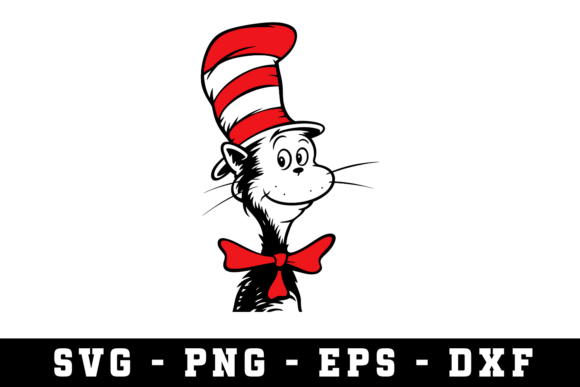
Welcome to my shop SVG Cut File is perfect for all your DIY projects or handmade business product lines. You can create T-shirts, Wood Signs, Mugs, Tumblers, Ornaments, Cards, Party Décor, and more for yourself and others. This listing includes a ZIP folder containing the following formats SVG PNG EPS DXF. Understanding what these formats mean and how to utilize them effectively is the first step toward mastering your digital crafting workflow.
Why Vector Formats Matter for Crafters
The core value of these cut files lies in their scalability and precision. Unlike standard raster images (like JPEGs), which become pixelated when enlarged, vector files such as SVG, EPS, and DXF use mathematical equations to define shapes. This means you can resize the Cat in the Hat design from a tiny sticker to a large wall decal without losing any clarity. For beginners, this removes the anxiety of resolution settings. For professionals, it ensures that client deliverables remain crisp regardless of the final output size.
The inclusion of multiple formats in a single download addresses the fragmented landscape of cutting software. Silhouette users often prefer DXF or SVG, while Cricut Design Space works natively with SVG. Adobe Illustrator users might lean toward EPS for further editing. By providing a comprehensive package, the creator eliminates the need for third-party conversion tools, which can sometimes introduce errors or extra nodes that complicate the cutting process.
Tailoring Projects to Your Audience
Different creators approach these files with distinct goals. A parent planning a birthday party might prioritize speed and ease of use. They may simply want to upload the SVG, select "iron-on" material, and cut out decals for goodie bags or custom shirts. For this user, the reliability of the file path is paramount. They do not have time to troubleshoot broken lines or overlapping nodes. The plug-and-play nature of pre-tested SVGs saves valuable hours during busy event preparations.
In contrast, a small business owner selling handmade goods on platforms like Etsy looks at these files through the lens of commercial viability and versatility. They need designs that stand out in a crowded marketplace. The iconic silhouette of the Cat in the Hat offers immediate recognition, which can drive clicks and sales. However, they must also consider licensing terms. Using these files for physical products like mugs and t-shirts is generally acceptable for small-scale handmade businesses, but understanding the boundaries of digital resale is crucial. These files are intended for end-products, not for reselling the digital asset itself.
Educators and librarians represent another unique segment. They might use these cut files to create engaging classroom decorations, reading nook signs, or interactive learning materials. For them, durability and cost-effectiveness are key. Cutting designs from vinyl or cardstock allows for reusable or long-lasting decor that can withstand the wear and tear of a school environment. The ability to scale the design means they can create large bulletin board headers or small bookplate stickers using the same source file.
Practical Applications Across Materials
The versatility of the Cat in the Hat design extends beyond paper and vinyl. When working with heat transfer vinyl (HTV) for apparel, the simplicity of the character’s stripes and hat makes it an ideal candidate for layering. Beginners can practice alignment techniques with the distinct red and white sections, while advanced users might experiment with glitter or holographic vinyls to add texture. The clean lines ensure that weeding—the process of removing excess vinyl—is straightforward, reducing material waste and frustration.
For home decor enthusiasts, wood signs offer a rustic charm that pairs well with literary themes. Using the DXF or SVG file with a CNC router or laser cutter allows for precise engraving or cutting of plywood. The result is a sophisticated piece of art that appeals to adults who appreciate nostalgia without appearing childish. Similarly, sublimation printing on tumblers and mugs benefits from the high-resolution PNG included in the pack. While vectors are great for cutting, raster images are often necessary for full-color printing processes where gradients or complex shading might be involved, although this specific character relies heavily on solid blocks of color.
Navigating Technical Requirements
One common hurdle for new digital crafters is handling compressed files. Most digital downloads come in ZIP folders to reduce file size and keep related formats organized. If you are unfamiliar with this process, do not worry. To unzip the files, you will need software such as WinZip or 7-Zip. You can download this software for free from their websites. Once you have installed the software, right-click on the zip file and select “Extract All” or “Extract Here”. You will then see the files in a folder.
This step is critical because most cutting machines and design software cannot read files directly from within a ZIP archive. Extracting them to a known location on your computer ensures that your software can locate and import the assets without error. Keeping your digital library organized by theme or character can also save time in future projects. Creating a dedicated folder for Dr. Seuss-themed assets allows for quick retrieval when inspiration strikes or deadlines loom.
Evaluating Quality and Usability
When selecting SVG cut files, quality should never be compromised. A well-designed file will have closed paths, minimal anchor points, and proper grouping. Closed paths prevent gaps in cuts, which is essential for vinyl applications where small pieces might fall out or shift. Minimal anchor points ensure smoother curves and faster cutting times. Proper grouping allows users to easily separate elements if they wish to change colors or rearrange components.
For those interested in modifying the design, the EPS format provides the most flexibility in professional vector editing software. You can adjust the thickness of the hat’s stripes, alter the curvature of the smile, or integrate text seamlessly. This level of control is vital for branding purposes or creating unique variations that differentiate your products from competitors. Even if you are not a graphic designer, having access to the editable source file empowers you to learn basic vector manipulation skills, adding long-term value to your creative toolkit.
Ultimately, the decision to use these files depends on your specific project needs. Whether you are a hobbyist looking to add a personal touch to a gift, a teacher aiming to inspire young readers, or an entrepreneur building a product line, the Cat in the Hat Svg Svg Cut Files provide a reliable foundation. By understanding the technical aspects and exploring diverse applications, you can maximize the potential of these digital assets. The blend of nostalgic appeal and modern crafting technology creates a powerful combination for anyone looking to bring a bit of whimsy into their physical world.